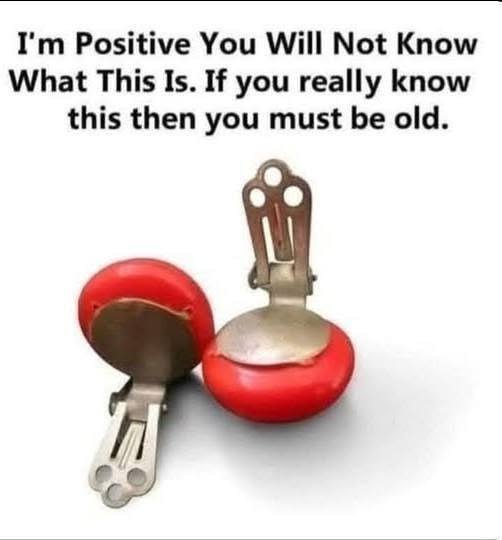
Imagine opening an old wooden drawer in your grandmother’s house and discovering a small metal tool with a slender handle and a tiny hook at one end. At first glance, it might look like an ordinary piece of wire attached to a handle. It is easy to mistake it for a strange antique or an object with no obvious purpose.
But this little tool once played an important role in everyday life. Known as a button hook, it helped people fasten the tiny buttons on fashionable boots, shoes, gloves, and clothing at a time when getting dressed could require patience, precision, and a little ingenuity.
Today, button hooks are often forgotten household objects, but they offer a fascinating glimpse into the history of fashion, personal care, and the ingenious tools people used long before modern conveniences became commonplace.
What Exactly Was a Button Hook?
<AsyncImageGroup query={[“antique Victorian metal button hook shoe dressing tool close up”,”vintage button hook with wooden handle antique dressing accessory”,”Edwardian button hook tool collection antique”]} aspectRatio=”5:4″ layout=”bento” />
A button hook is a small dressing aid designed to pull a button through a tight buttonhole. Its basic construction is wonderfully simple: a narrow shaft ends in a tiny hook or loop that catches a button’s shank and guides it through the fabric.
Some examples have plain metal handles, while others feature wooden, bone, celluloid, silver-plated, or decorative handles. Certain versions were made to be practical and inexpensive; others were crafted as elegant personal accessories.
Although designs varied, the purpose remained the same: to make fastening small, tight buttons easier without straining the fingers or damaging delicate fabric.
The tool was especially useful for footwear with rows of tiny buttons running along the side.
Why Were Button Hooks So Important?
To understand why this little instrument mattered, it helps to picture the clothing styles popular during the nineteenth and early twentieth centuries.
Buttoned boots were fashionable, particularly women’s high-button shoes and ankle boots. Some designs featured numerous small buttons extending up the side of the footwear. These buttons helped create a snug fit and contributed to the elegant silhouette that was popular at the time.
However, fastening every button by hand could be frustrating. The buttons were small, the buttonholes were tight, and the footwear often fitted closely around the ankle.
Trying to push each button through its hole using only the fingertips could take considerable time.
The button hook provided a straightforward solution. Instead of struggling with each button, the wearer could use the hook to catch it, guide it through the opening, and move on to the next one.
What appears to be a simple antique today was once a practical answer to a common daily problem.
How Did a Vintage Button Hook Work?
<AsyncImageGroup query={[“antique button hook tool hooked tip macro photography”,”Victorian button hook fastening button on vintage boot demonstration”]} aspectRatio=”5:4″ layout=”carousel” />
Using a traditional button hook required only a little practice.
First, the wearer positioned the hook around the shank of a button. The shank is the small space or stem between the button itself and the material to which it is attached.
Next, the hook was guided through the corresponding buttonhole. The wearer gently pulled the tool back, bringing the button through the opening.
Once the button had passed through, the hook could be released and moved to the next one.
This method reduced the need to pinch tiny buttons with the fingertips. It was particularly helpful when the buttons were closely spaced or when the fabric and footwear were stiff.
The tool was not entirely foolproof: using too much force could damage a button, stretch a buttonhole, or catch the surrounding material. A gentle, controlled movement was essential.
More Than Just a Shoe Accessory
Although button hooks are strongly associated with buttoned boots, similar tools were also used to fasten buttons on gloves and certain garments.
Small buttons were common on formal clothing and accessories, and fastening them could be difficult even for someone with nimble fingers.
A button hook could help with:
- Buttoned boots and shoes: Pulling small buttons through tight leather or fabric openings.
- Gloves: Assisting with small, closely fitted glove buttons.
- Delicate garments: Making it easier to fasten buttons without repeatedly tugging on fragile fabric.
- Everyday dressing: Helping people who struggled with small fasteners because of limited finger strength or dexterity.
Modern dressing aids continue to use similar principles. Some contemporary tools feature hooks, loops, or extended handles to help people fasten clothing independently.
In that sense, the vintage button hook belongs to a long tradition of practical tools designed to make ordinary tasks more manageable.
The Connection Between Button Hooks and Changing Fashion
The popularity of button hooks was closely linked to the clothing styles of their era.
During the late nineteenth century and the early decades of the twentieth century, high-button boots became a recognizable part of fashionable dress. Some women’s boots had long rows of buttons that created a neat, fitted appearance.
Fastening these boots could be a time-consuming part of the morning routine. A button hook transformed the process into a more manageable task.
Fashion, however, never stands still.
As clothing styles changed, zippers, snap fasteners, elastic panels, and other convenient closures became increasingly common. Shoes that once required numerous tiny buttons gradually gave way to designs that were quicker to put on and take off.
As buttoned footwear became less common, the everyday need for a dedicated button hook declined.
The tool did not disappear completely, but it moved from the dressing table and household drawer into antique shops, museums, and private collections.
The Craftsmanship Behind Vintage Button Hooks
<AsyncImageGroup query={[“ornate antique silver button hook Victorian handle”,”antique button hook brass wooden handle collection”,”vintage mother of pearl handled button hook antique”]} aspectRatio=”5:4″ layout=”carousel” />
One of the most interesting features of vintage button hooks is the variety of materials and designs used to make them.
Basic models were often simple metal instruments intended for regular use. More decorative versions could feature polished wooden handles, ornate metalwork, or materials chosen to complement other dressing-table accessories.
Some were designed to be compact enough to store in a sewing box or travel case. Others were made as attractive personal objects that could sit alongside brushes, combs, mirrors, and other grooming tools.
Their differences reveal something about the culture of personal care during the period: even a tool used for a routine task could be designed with attention to appearance.
For collectors, the handle, markings, materials, condition, and overall construction can help establish a piece’s approximate age and origin. However, not every old-looking button hook is especially rare or valuable. Its worth depends on factors such as maker, material, condition, scarcity, and collector demand.
Could a Button Hook Be Mistaken for Something Else?
Absolutely.
Because these tools are small and often have a narrow shaft ending in a curved metal tip, they can resemble several other antique implements.
Depending on the design, someone might mistake one for a crochet tool, a small shoe accessory, a sewing implement, or an unusual metal pick.
The best clues are usually the shape of the tip and the overall construction. A traditional button hook typically has a hook shaped to catch a button securely while passing through a buttonhole.
Some examples were designed specifically for footwear, while others were intended for gloves or clothing. Without seeing the exact object, it is not always possible to identify a particular antique with certainty.
If you discover one in an old sewing kit or dressing-table box, look for a narrow shaft, a small curved hook, and a handle that provides enough grip to pull a button through fabric.
These details can help distinguish it from similar-looking tools.
Why Are Vintage Button Hooks Still Interesting Today?
The appeal of these objects goes beyond their practical function.
First, they show how everyday life was shaped by the fashions of the time. A particular style of footwear created a problem, and someone developed a small tool to solve it.
Second, they remind us that people have long found ways to adapt their routines to their physical needs. A tool that makes a small button easier to fasten may seem insignificant, but it can make dressing more comfortable and independent.
Third, button hooks offer a connection to the people who used them. An old example might have been carried in a handbag, kept beside a mirror, or stored in a box with other personal belongings.
It may have helped someone get ready for work, attend a special occasion, or prepare for an ordinary day.
The object itself cannot tell us its owner’s entire story, but it provides a tangible link to routines that have otherwise faded from view.
Are Vintage Button Hooks Collectible?
Yes. Antique and vintage button hooks are collected by enthusiasts interested in fashion history, historic footwear, sewing tools, and domestic antiques.
Some collectors seek ornate examples with decorative handles. Others prefer practical metal designs that illustrate how the tool was used.
When evaluating a button hook, it is worth examining several details:
Material: Is the handle made from wood, metal, bone, celluloid, or another material?
Condition: Is the shaft straight? Is the hook intact? Are there signs of corrosion, cracks, or repairs?
Markings: Is a maker’s name, trademark, or country of manufacture present?
Design: Is it a common utilitarian model or a more unusual decorative example?
Provenance: Is there reliable information about where it came from or how old it is?
If an object may contain fragile or historically significant materials, avoid aggressive polishing or cleaning until it has been properly identified. Overcleaning can damage its finish and reduce its historical value.
A Small Object With a Surprisingly Big Story
The vintage button hook may not look impressive at first. It is neither a complicated machine nor a grand invention. Yet its history illustrates an important truth about innovation: useful ideas do not always need to be complicated.
For generations, people dealt with small but persistent inconveniences in daily life. The button hook offered a simple, effective way to fasten tiny buttons on fashionable footwear and clothing.
As fashions changed and easier fasteners became widespread, the need for the tool gradually faded. What remains today is a modest reminder of how people dressed, what they valued, and how everyday objects evolved alongside society.
The next time you discover a small metal tool tucked away in an old drawer, do not dismiss it too quickly. It might be a button hook—a forgotten helper from an era when getting dressed required a little more patience and a clever tool to make the job easier.
Sometimes, the most fascinating pieces of history are not the grand objects displayed in palaces, but the humble tools that quietly helped people live their everyday lives.
For Complete Cooking STEPS Please Head On Over To Next Page Or Open button