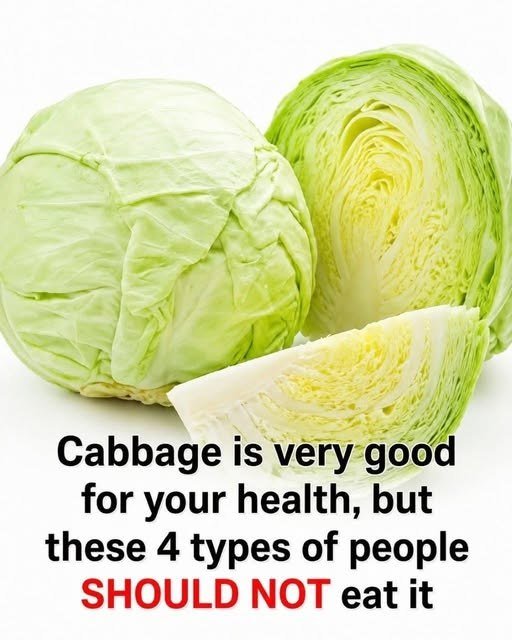
Cabbage is one of the most affordable and versatile vegetables in the kitchen. Whether eaten raw in salads, cooked in soups, or added to stir-fries, it provides fiber, vitamin C, vitamin K, and other beneficial plant compounds.
However, despite its many nutritional benefits, cabbage does not agree with everyone. For certain people, eating large amounts or consuming it in particular forms may worsen digestive symptoms or require extra dietary precautions.
Does that mean some people should stop eating cabbage altogether? Not necessarily. In most cases, the amount eaten and the individual’s health condition make the biggest difference.
Here are four groups of people who may need to be more careful when adding cabbage to their diet.
1. People Who Suffer From Gas, Bloating, or Irritable Bowel Syndrome
Have you ever eaten a cabbage salad and noticed that your stomach felt swollen or uncomfortable afterward?
Cabbage contains fiber and fermentable carbohydrates that gut bacteria break down during digestion. This process can produce gas, which may cause bloating, abdominal discomfort, and flatulence in sensitive individuals.
People with irritable bowel syndrome (IBS) may be particularly sensitive to certain carbohydrates found in cabbage, although tolerance varies from person to person.
What can help?
- Start with small portions rather than eating a large bowl at once.
- Try cooked cabbage, which some people find easier to tolerate.
- Eat slowly and pay attention to which foods trigger symptoms.
- If symptoms persist, consult a healthcare professional or registered dietitian about an appropriate dietary approach.
You do not necessarily need to eliminate cabbage completely. A smaller serving may be enough to reduce discomfort.
2. People Taking Warfarin or Certain Blood-Thinning Medications
Cabbage contains vitamin K, a nutrient that plays an essential role in normal blood clotting.
For people taking warfarin, sudden changes in vitamin K intake can affect how the medication works and may alter the results of blood-clotting tests.
This does not mean cabbage is forbidden. In fact, many people taking warfarin can safely eat vitamin K-rich vegetables as part of their regular diet.
The key is consistency.
If you take warfarin, avoid suddenly increasing or drastically reducing your cabbage consumption without discussing it with your healthcare provider. Keeping your vitamin K intake relatively consistent helps your care team manage your medication appropriately.
Other blood-thinning medicines do not all interact with vitamin K in the same way, so the advice depends on the specific medication you take.
3. People With Hypothyroidism Who Have Low Iodine Intake
Cabbage belongs to the cruciferous vegetable family, alongside broccoli, cauliflower, and Brussels sprouts. These vegetables contain natural compounds that can interfere with iodine utilization under certain circumstances.
The concern is generally greatest when someone consumes very large quantities of raw cruciferous vegetables while also having inadequate iodine intake.
For most people, ordinary portions of cabbage are not a problem, including for many people with hypothyroidism.
How can you enjoy cabbage more confidently?
- Eat reasonable portions as part of a varied diet.
- Consider cooking cabbage, which reduces some of the compounds of concern.
- Make sure your diet provides adequate iodine without taking excessive supplements.
- Follow your clinician’s advice if you have a diagnosed thyroid condition.
There is no good reason for most people with hypothyroidism to automatically eliminate cabbage. If you have thyroid disease, your overall diet, iodine status, and prescribed treatment matter more than avoiding one vegetable.
4. People Who Experience Severe Digestive Symptoms After Eating Cabbage
Some people develop significant abdominal pain, diarrhea, or other digestive symptoms after eating cabbage. These reactions can result from individual intolerance, underlying digestive conditions, or the way the cabbage is prepared.
For example, a large serving of raw cabbage may be harder to tolerate than a smaller serving of cooked cabbage. Rich dressings, large amounts of oil, and other ingredients in a dish may also contribute to symptoms.
A true cabbage allergy is possible but uncommon. Symptoms such as hives, swelling of the lips or throat, wheezing, or difficulty breathing require particular attention. Difficulty breathing or throat swelling is a medical emergency.
If cabbage repeatedly causes severe symptoms, stop eating it temporarily and seek medical advice rather than repeatedly testing your tolerance on your own.
Is Cooked Cabbage Healthier Than Raw Cabbage?
Both raw and cooked cabbage can be nutritious.
Raw cabbage retains more of certain heat-sensitive nutrients, including some vitamin C. Cooking softens its texture and may make it easier for some people to digest. However, prolonged boiling can reduce certain water-soluble nutrients.
Steaming, sautéing, or lightly cooking cabbage can be good options. Choose the preparation method that suits your digestion and taste preferences.
How Much Cabbage Is Safe to Eat?
There is no single portion size that is right for everyone. A moderate serving as part of a balanced diet is generally well tolerated by most healthy adults.
If you are prone to bloating, begin with a smaller portion and increase it gradually if you tolerate it well. People taking warfarin should focus on consistent vitamin K intake rather than suddenly changing their usual eating habits.
Cabbage is not inherently dangerous, and most people do not need to avoid it.
Final Thoughts
Cabbage offers fiber, vitamins, and valuable plant compounds at an affordable price. For most people, it can be a healthy part of everyday meals.
The four groups who may need extra care are people with sensitive digestion or IBS, people taking warfarin, people with thyroid concerns combined with inadequate iodine intake, and people who experience significant symptoms after eating cabbage.
The important message is simple: you do not need to fear cabbage, but you should understand how your body and any medications you take may affect your tolerance.
If you have a medical condition or take prescription medication, personalized advice from a qualified healthcare professional is more reliable than a blanket rule telling you to avoid an entire food group.
For Complete Cooking STEPS Please Head On Over To Next Page Or Open button