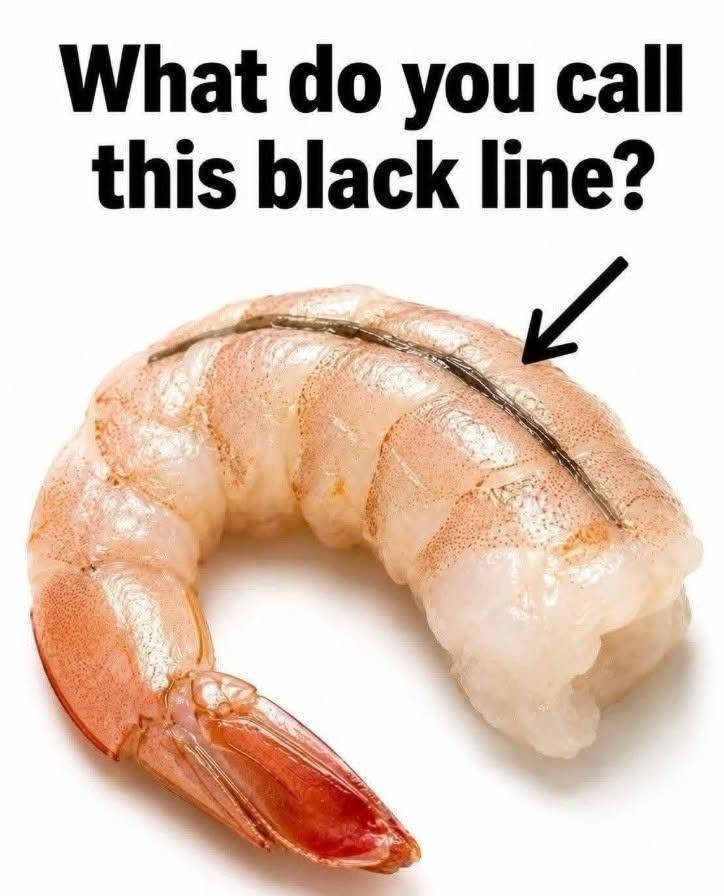
Shrimp is a popular seafood choice enjoyed in pasta, salads, stir-fries, and many other delicious dishes. But if you have ever prepared shrimp at home, you may have noticed a thin, dark line running along its back. This often raises a common question: Is it necessary to remove it before cooking?
The short answer is no—removing the dark line is not strictly necessary for safety. However, it is often recommended to improve the taste, texture, and appearance of your dish.
What Is the Dark Line in Shrimp?
The dark line along the back of a shrimp is its digestive tract (sometimes referred to as the intestinal vein). Despite what many people think, it is not an actual blood vessel.
This tract carries partially digested food and waste material from the shrimp’s digestive system. Its color can range from nearly transparent to dark brown or black, depending on what the shrimp recently ate. Because it contains digestive material, many cooks prefer to remove it before cooking.
Is It Safe to Eat Shrimp Without Deveining It?
Yes. As long as the shrimp is properly handled, stored, and cooked thoroughly, it is safe to eat even with the digestive tract left intact.
That said, removing it remains a standard culinary practice because its contents can affect the overall cleanliness and enjoyment of the meal. Keep in mind that deveining does not replace essential food safety habits: proper refrigeration, hygienic preparation, and adequate cooking are still crucial to prevent foodborne illness.
Why Do Cooks Prefer to Devein Shrimp?
Home cooks and professional chefs usually choose to remove the digestive tract for four main reasons:
-
Better Appearance: Peeled and deveined shrimp look cleaner and more appetizing, especially in dishes like seafood platters, pasta, or salads.
-
Improved Texture: The digestive tract can sometimes feel gritty, particularly in larger shrimp. Removing it ensures a smoother bite.
-
Better Flavor: While it doesn’t always alter the taste, the contents of the tract can occasionally impart a slightly bitter or off-putting flavor.
-
An Overall Better Dining Experience: Taking the time to devein shrimp is a simple step that elevates the quality of the final dish, especially when shrimp is the star ingredient.
How to Devein Shrimp Step-by-Step
Deveining shrimp is straightforward and requires only a small paring knife or a specialized deveining tool:
-
Peel the shrimp: Remove the shell (you can leave the tail on for presentation if you prefer).
-
Make a shallow cut: Use a sharp knife to make a light incision along the outer curve of the shrimp’s back.
-
Expose the tract: Locate the thin, dark line lying just beneath the surface.
-
Lift it out: Gently pull the tract away using the tip of your knife, or rinse it out under cold running water.
-
Dry and prep: Pat the shrimp dry with clean paper towels before seasoning and cooking.
(Note: If you bought pre-peeled and deveined shrimp, no extra prep is needed!)
Do You Need to Devein Every Single Shrimp?
Not necessarily. In very small shrimp, the digestive tract is barely visible and difficult to remove, so doing so is entirely a matter of personal preference.
In larger shrimp, however, the line is much more noticeable and holds more waste, making deveining well worth the extra effort. If you are cooking for guests or preparing a meal where presentation matters, deveining is highly recommended.
What About the Line on the Underside?
You may also notice a thin line running along the belly (underside) of the shrimp. This is the ventral nerve cord, which is entirely separate from the digestive tract on the back.
The dark strand people typically remove during prep is always the digestive tract along the back, not a vein carrying blood or the underside nerve cord.
Final Thoughts
So, do you really need to remove the dark line from shrimp? Not strictly, but doing so enhances the appearance, texture, and flavor of your meal.
For quick, everyday meals, the choice is yours. But if you want cleaner-looking shrimp with a smoother bite, taking a few extra minutes to devein them pays off. Most importantly, always source your seafood from reliable sellers, keep it cold, prevent cross-contamination, and cook it thoroughly!
For Complete Cooking STEPS Please Head On Over To Next Page Or Open button